A Practical Guide to Buying a Home in Bethlehem PA
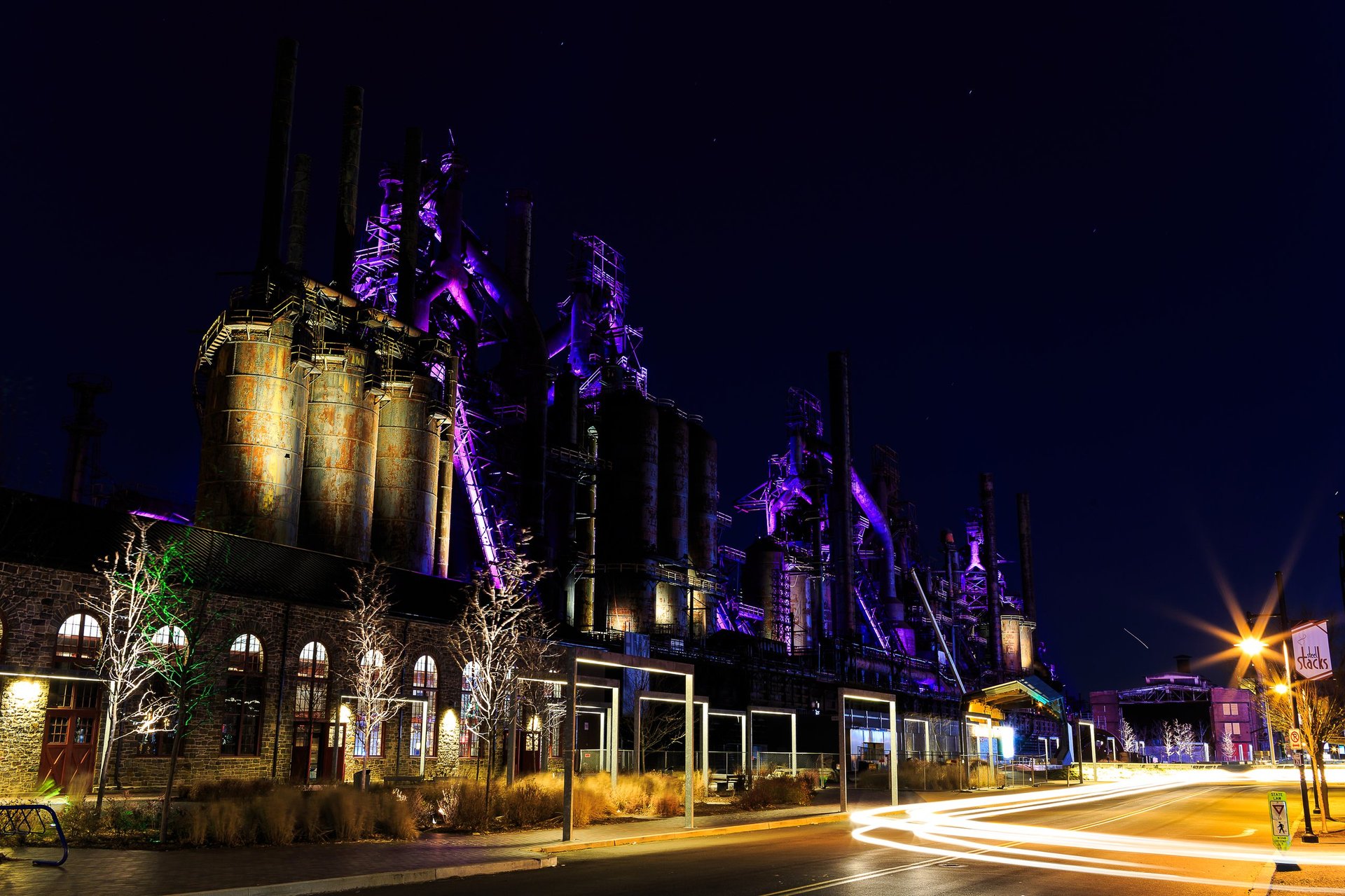
When I first started looking at properties in the Lehigh Valley, Bethlehem felt like a place that demanded a second look. It wasn’t just the Moravian history or the tidy brick sidewalks. It was the way the city balanced old and new, from the steel stacks that still define the skyline to the coffee shops and breweries filling the old industrial spaces. After helping a few friends navigate their own purchases here, I picked up some lessons that go beyond the usual real estate checklist. If you’re considering buying a home in Bethlehem, here’s what I’ve learned about making that move with your eyes open.
The Shape of the Market
Bethlehem’s housing market has a split personality, and that’s not a bad thing. The north side, closer to the historic district and Lehigh University, tends to have older homes with character and higher price tags. Walk down Market Street and you’ll see Victorian and Federal-style houses that have been lovingly restored. On the south side, near the old Bethlehem Steel plant and the casino complex, you’ll find more modest mid-century ranches and split-levels, often on larger lots. That diversity means buyers can find something in a range of budgets, but it also means you need to know which part of town fits your life.
Inventory has been tight the past couple years. Houses in good condition under $300,000 often get multiple offers within the first week. I’ve seen homes sell for five to ten percent above asking, especially if they’re in move-in condition near the historic core. If you’re coming from a bigger metro area, those numbers might still feel reasonable. But compared to five years ago, it’s a different game. You have to be ready to act fast and have your financing lined up before you start touring seriously.
One thing that surprises people is the property tax situation. Pennsylvania has relatively high property taxes compared to some states, and Bethlehem’s millage rate sits around 18 to 20 mills depending on the exact location. That means on a $250,000 home, you’re looking at roughly $4,500 to $5,000 a year in taxes before any exemptions. It’s not a dealbreaker, but it’s a number you want to factor into your monthly payment early. A good local agent will pull the tax history for you, but I recommend checking the county assessment database yourself before making an offer.
What the Historic District Means for Buyers
Bethlehem’s historic district is one of the largest in Pennsylvania, and it’s a major draw for people interested in buying a home in Bethlehem. But historic designation comes with strings. If you buy a house in the district, any exterior changes that are visible from the street need approval from the Historic Conservation Commission. That includes windows, doors, roofing materials, and even paint colors in some cases. I know a homeowner who wanted to install modern vinyl windows to improve energy efficiency and had to go through a six-month review process before getting approval for a custom wood alternative that matched the original style.
That said, the restrictions also protect your property value. You won’t wake up one day to find your neighbor has put up a bright vinyl fence or replaced their porch with aluminum siding. The consistency of the streetscape is part of what makes Bethlehem charming. If you’re the kind of person who appreciates architectural integrity and doesn’t mind a little red tape, it’s a great fit. If you want to tear down walls and build a modern addition, you might be happier in one of the newer subdivisions on the outskirts of town.
Financing and First-Time Buyer Programs
Pennsylvania offers a few programs that can help with down payment and closing costs. The Pennsylvania Housing Finance Agency has a Keystone Advantage program that provides a forgivable loan for first-time buyers, and some local banks offer grants for buyers who complete a homebuyer education course. I’ve seen people put as little as three percent down on a conventional loan if their credit is strong. But the key is to talk to a lender who knows Bethlehem specifically, because some programs have income limits that change based on the county median income.
Another thing to consider is the age of the housing stock. Many homes in Bethlehem were built before 1950. That means you’re likely dealing with older electrical systems, possibly lead paint, and sometimes outdated plumbing. A standard home inspection is essential, but I also recommend getting a sewer scope inspection. Older neighborhoods often have clay tile sewer lines that can crack or get invaded by tree roots. That’s a repair that can run five to ten thousand dollars and isn’t covered by most insurance policies. One buyer I know skipped that inspection and ended up with a backup in the basement six months later. It’s a small price for peace of mind.
If you’re looking at a fixer-upper, the FHA 203(k) loan can be a good option. It lets you roll the purchase price and renovation costs into one mortgage. Bethlehem has plenty of homes that need cosmetic updates but are structurally sound, and that program can make those properties more accessible for buyers who don’t have a lot of cash on hand after the down payment.
Neighborhoods Worth Your Attention
Beyond the historic district, there are a few areas that offer a different feel. The West Side, around the Westgate Mall and the Lehigh Parkway, has more ranch homes and split-levels from the 1950s and 1960s. These tend to have larger yards and attached garages, which is rare in the older parts of town. The school district is the same, so if you have kids, you’re not sacrificing education quality. Prices there are generally lower per square foot than in the historic core.
The South Side, near the Bethlehem Steel site and the new ArtsQuest Center, has seen a lot of redevelopment. There are new townhomes and apartments going up, but the existing single-family homes are more affordable. It’s a bit grittier than the north side, but it’s also where a lot of the city’s creative energy lives. If you’re the type who likes being walking distance to Musikfest and the Levitt Pavilion concerts, it’s worth a look.
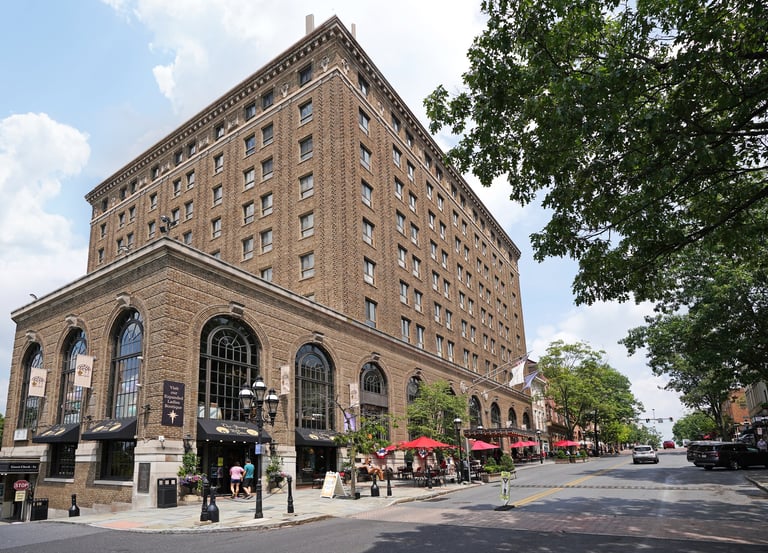
For buyers who want a more suburban feel without leaving the city limits, the area around the Bethlehem Golf Club, off Route 191, has larger homes on quiet streets. It’s a bit of a drive to downtown, but you get more space for your money. Commute times to Allentown or Easton are reasonable, and you’re close to the highway if you work outside the Lehigh Valley.
The Inspection and Negotiation Dance
Once you find a house and make an offer, the inspection period is where you earn your money. In Bethlehem, I’ve found that sellers are often willing to negotiate on repairs, especially if the house has been on the market for more than two weeks. But I’ve also seen sellers stick firm on price if they know the home is in a desirable location. The trick is to prioritize. Don’t ask for every cracked light switch plate. Focus on the big stuff: roof condition, HVAC age, foundation cracks, and water intrusion. If the house has a basement, check for efflorescence or musty smells. That’s a sign of past or present moisture issues.
One thing I’ve noticed is that Bethlehem homes with original hardwood floors often have them hidden under wall-to-wall carpet. If you’re willing to pull up carpet and refinish the wood, you can add value immediately. I’ve seen buyers get a deal on a house because the seller thought the floors were beyond saving, only to reveal beautiful oak or pine after a weekend of work. It’s not for everyone, but if you’re handy or willing to hire a floor refinisher, it can be a smart move.
When you’re buying a home in Bethlehem, the closing process typically takes 45 to 60 days. That’s longer than some markets, partly because title searches in the historic district can be complex. Old properties may have easements or rights-of-way that need to be cleared. Your title company should handle that, but it’s worth asking about early in the process. I’ve heard of closings being delayed by a month because a 1920s deed restriction wasn’t properly recorded.
Living in the City Year-Round
Bethlehem has four distinct seasons, and each one affects your house differently. In the summer, the humidity can be high, so a working AC system is a must. In the winter, snow removal is handled by the city on main streets, but if you’re on a side street, you might wait a day or two for the plow. That means having a good shovel or a snow blower. The fall is beautiful, with the leaves changing along the Lehigh River, and spring brings a lot of rain, so check the grading around your foundation to make sure water drains away from the house.
One of the best parts of living here is the community events. Musikfest in August is the biggest, but there’s also the Christkindlmarkt in December and the Celtic Classic in the spring. These events draw crowds, and if you live close to the historic district, you’ll have to deal with street closures and parking restrictions. But for many people, the trade-off is worth it. You can walk to festivals, restaurants, and the library. It’s a walkable city in a way that many smaller Pennsylvania towns aren’t.
The school district, Bethlehem Area School District, is one of the larger ones in the state. It has some excellent magnet programs and a strong arts curriculum, but it also has disparities between buildings. If school quality is a priority for you, it’s worth looking at the individual school boundaries, not just the district’s overall rating. A good real estate agent can pull that information for you before you start looking at houses.
Final Thoughts
Buying a home in Bethlehem is not a passive process. You have to be willing to do your homework, walk the neighborhoods at different times of day, and ask questions that go beyond the listing sheet. But if you put in the effort, you can find a house that fits your budget and your lifestyle in a city that has genuine character. It’s not the cheapest market in the Lehigh Valley, and it’s not the newest. But for people who value history, walkability, and a sense of place, it’s hard to beat. Take your time, get a good agent, and don’t skip the inspection. That combination will serve you well here.